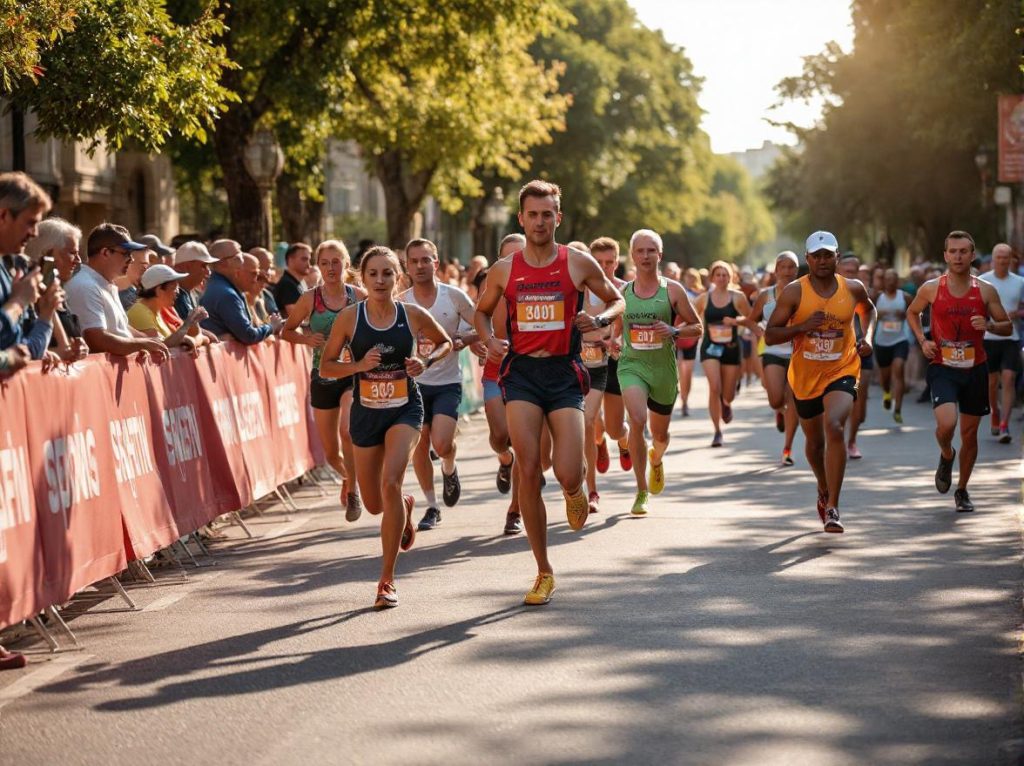
持久力とは、長時間にわたって運動を続ける能力のことであり、有酸素能力や筋持久力が関係します。持久力の指標として最もよく用いられるのが**最大酸素摂取量(VO2max)**です。研究によると、VO2maxの約50%は遺伝的要因によって決まるとされています(Bouchard et al., 1999)。また、トレーニングに対する適応の度合いにも遺伝的な違いがあり、同じトレーニングを行っても個人差が生じることが分かっています。
In recent years, the fusion of sports science and genetics has progressed, and research into training methods based on individual genetic information has become more active. Endurance is determined by both genetic and environmental factors, but with the development of genetic analysis technology, specific genes that affect endurance are becoming clear. In this article, we will explain the main genes involved in improving endurance and the optimal training methods based on them.
1. The relationship between endurance and genetics
Endurance is the ability to continue exercising for a long period of time, and is related to aerobic capacity and muscular endurance. The most commonly used indicator of endurance is **maximum oxygen uptake (VO2max)**. Research has shown that approximately 50% of VO2max is determined by genetic factors (Bouchard et al., 1999). It is also known that there are genetic differences in the degree of adaptation to training, and individual differences occur even when performing the same training.
Genetic analysis has identified several genes related to endurance, including ACTN3, ACE, and PPARGC1A, which are known to be involved in improving endurance.
(1) ACTN3 gene – affects fast and slow muscle characteristics
ACTN3 (α-actinin-3) is a gene that codes for a protein that is abundant in fast-twitch muscle fibers. There are three types of this gene: RR, RX, and XX. People with XX type in particular have difficulty developing fast-twitch muscle fibers and are considered to be suitable for endurance sports (Yang et al., 2003).
Characteristics of ACTN3 genotype:
RR type/RX type: Fast twitch muscle fibers are easily developed, and they are suitable for short distance running and power sports.
XX type: Has muscle fiber composition suitable for improving endurance, and is suitable for long-distance running and marathons.
ACTN3-based training method
Type XX: Long-term low-intensity aerobic exercise (LSD training), interval training
RR/RX types: High-intensity short-term training (HIIT), sprint intervals
(2) ACE gene – relationship to blood pressure regulation and endurance
ACE (angiotensin-converting enzyme) is a gene that is involved in blood pressure regulation and also affects muscle endurance. This gene exists in two types: type I (insertion type) and type D (deletion type). It has been found that type I is more advantageous in terms of improving endurance (Montgomery et al., 1998).
Characteristics of ACE genotypes:
Type II (I/I): Suitable for improving endurance, long-distance running, mountain climbing, etc.
ID type (I/D): Balanced endurance and power
DD type (D/D): Suitable for short distance running and power sports
ACE-based training method
Type II: Low-intensity, long-term aerobic exercise
Type DD: Training that includes anaerobic exercise and short sprints
ID: A Balanced Training Program
(3) PPARGC1A gene – mitochondrial function and endurance
PPARGC1A (PGC-1α)** is a gene that promotes mitochondrial production and improves energy metabolism. It has been reported that certain variants of the PPARGC1A gene are frequently seen in endurance athletes (Eynon et al., 2011).
Characteristics of PPARGC1A:
Promotes the increase of mitochondria and contributes to improved endurance
Strengthening aerobic metabolism and reducing fatigue accumulation
PPARGC1A-based training method
Low-intensity, long-term training to boost mitochondria (Zone 2 training)
3. Individually optimized training using genetic information
By utilizing this genetic information, it is possible to design a training program that is suited to each individual’s characteristics. Below is a comparison of general endurance training and genetically-based training methods.
Gene
Type
Recommended Training Methods
ACTN3
XX
Long distance running, low intensity aerobic exercise
Recently, it has become possible to know one’s genetic tendencies using genetic testing kits, which offers the following benefits:
Choose the best training method
Maximize your training efficiency and reduce waste
Reduces the risk of injury
By utilizing genetic information, it will be possible to carry out more scientifically effective training, and it is expected that individual optimization training in endurance sports will further evolve in the future.
5. Nutritional strategies using genetic information
In addition to proper training, a nutritional strategy is also important for improving endurance. Since the efficiency of energy metabolism and the requirement for specific nutrients vary depending on genes, more effective endurance improvement can be expected by creating a nutritional plan according to individual genetic characteristics.
(1) Relationship between energy metabolism and genes
The ability to use energy efficiently is influenced by the PPARGC1A and FABP2 genes.
PPARGC1A gene (involved in the biogenesis of mitochondria)
Highly active people have a high ability to use fat as an energy source and are suited to endurance exercise.
Low activity people prioritize carbohydrate metabolism, so consuming carbohydrates before and after training is important
FABP2 gene (involved in fatty acid transport)
People with the mutation are less efficient at digesting and absorbing fat, so they need carbohydrates as their main source of energy.
Adequate protein intake is also important for improving muscular endurance. The FTO gene is associated with body fat percentage, and those with a high-risk variant may be able to prevent the increase in body fat by increasing their protein intake (Sonestedt et al., 2011).
FTO gene People with high-risk type
A high-protein diet (1.6–2.2 g protein per kg body weight) is recommended
Maintain a low-fat, high-protein diet
People with low-risk FTO gene
A normal protein intake (1.2-1.6g/kg) is sufficient
(3) Carbohydrate utilization and genes
The ability to metabolize carbohydrates is important in endurance sports, and carbohydrate digestion and absorption abilities differ depending on the copy number of the AMY1 gene (Perry et al., 2007).
People with more copies of the AMY1 gene
High carbohydrate digestibility and efficient conversion of sugar into energy
Easy to adapt to marathons and long distance running
People with fewer copies of the AMY1 gene
Because carbohydrate metabolism is inefficient, performance during endurance exercise is likely to decline
It is effective to adopt a dietary strategy that uses low GI foods and lipids as an energy source.
6. Differences in recovery ability due to endurance sports and genes
In endurance sports, recovery after training is important, and the IL6 gene and COL5A1 gene are involved in recovery ability.
(1) IL6 gene – inflammatory response and recovery ability
IL6 (interleukin-6)** is a gene that encodes a cytokine involved in inflammation and muscle damage after exercise.
High expression of IL6
Inflammation tends to last longer and recovery takes longer
It is a good idea to actively consume foods with anti-inflammatory properties (omega-3 fatty acids, curcumin)
Low expression of IL6
Less inflammation and faster recovery
Reduce recovery time and train more frequently
(2) COL5A1 gene – injury risk
COL5A1 (collagen gene)** is involved in tendon and ligament strength and is an important factor determining injury risk in endurance athletes (Collins & Raleigh, 2009).
People with the mutation
Less flexibility in the ligaments, which increases the risk of Achilles tendonitis and knee ligament injury
It is recommended to take good care of yourself by using stretches and foam rollers.
We will introduce an example of an actual case where genetic testing was used to design an optimal training program.
Case study 1: The long-distance runner
ACTN3: XX type (endurance type)
ACE: Type II (improved endurance)
PPARGC1A: High expression type (high mitochondrial production ability)
Training plan:
Low-intensity aerobic exercise (LSD) 5 times a week
Interval training once or twice a week
The diet is low-fat and high-carb
Case Study 2: Triathletes
ACTN3: RX type (balanced type)
ACE: ID type (balance of endurance and power)
IL6: High expression type (prone to prolong inflammation)
Training plan:
High-intensity interval training (HIIT) 3 times a week
Sprint training twice a week
Actively consume foods with anti-inflammatory properties (oil-filled fish, turmeric)
8. Summary
Using genetic information, we can design optimal training and nutrition strategies for endurance development, and further developments in sports science and genetics will allow for even more precise individualized optimization of training.
9. A practical approach to training using genetic information
To really take advantage of genetic training methods, here are some steps you can take to design a more efficient program:
(1) Genetic testing
First of all, it is important to check the major genes related to endurance (ACTN3, ACE, PPARGC1A, IL6, COL5A1, etc.). In recent years, the number of companies offering genetic testing services has increased, making it easy to find out your genetic characteristics.
(2) Designing training plans based on genotype
Based on the results of the genetic test, the most suitable training method will be combined. For example, a person with ACTN3 XX and ACE II should prioritize long, low-intensity training to improve endurance, whereas a person with ACTN3 RR and ACE DD should incorporate high-intensity interval training.
(3) Optimizing nutrition strategies
Along with training, it is important to develop a nutrition plan that is appropriate for your genetic characteristics. For example, a person with a low copy number of AMY1 may benefit from a ketogenic diet that uses lipids as the main energy source. On the other hand, a person with a variant of the FABP2 gene may benefit from a diet that is more carbohydrate-based than lipid-based.
(4) Monitoring the effectiveness of training
To verify whether the training method utilizing genetic information is actually effective, physical data such as VO2max and lactate threshold (LT value) will be measured regularly and the training content will be adjusted as necessary.
10. Latest research into training using genetic information
In recent years, research into genes and sports performance has progressed rapidly. In particular, analysis of genes related to endurance sports has progressed, and efforts toward the practical application of individually optimized training have become active.
(1) The relationship between genes and high altitude training
High-altitude training for endurance athletes is an effective way to adapt to low-oxygen environments and improve endurance. Recent studies have shown that the EPAS1 gene is involved in high-altitude adaptation, and that people with mutations in this gene are expected to improve their performance in low-oxygen environments (Beall et al., 2010).
People with a variant of the EPAS1 gene: High altitude training has a greater effect and is more likely to improve oxygen transport capacity
People without the EPAS1 gene mutation: Adjustments are required in combination with low altitude training
(2) Relationship between genes and fatigue resistance
In endurance sports, it is important to reduce muscle fatigue. The NRF2 gene is involved in the synthesis of proteins with antioxidant properties and plays a role in supporting fatigue recovery (Piacentini et al., 2013).
Highly active form of NRF2: Rapidly removes reactive oxygen species and promotes rapid recovery
Low activity of NRF2: Easily affected by oxidative stress. It is recommended to actively consume antioxidant foods (vitamin C, polyphenols, etc.).
(3) The relationship between genes and psychological resilience
In endurance sports, mental strength also plays a major role. The BDNF (brain-derived neurotrophic factor) gene is involved in stress resistance and concentration, and people with certain variants are said to have greater mental endurance (Roth et al., 2018).
Highly active BDNF: Highly stress resistant and helps maintain concentration even during long training sessions
Low activity of BDNF: Mental support (meditation, mindfulness) is effective
11. Genetic Information and the Future of Personalized Sports
As genetic analysis technology continues to evolve in the future, it is expected that personalized training in endurance sports will become even more advanced.
(1) Training design combining AI and genetic information
Currently, the development of training programs that utilize AI is progressing. AI will be able to analyze genetic information, training history, dietary data, etc., and automatically suggest optimal training plans.
(2) Development of gene editing technology
With the advancement of CRISPR-Cas9 technology, it is possible that in the future it may be possible to manipulate specific genes to improve endurance. However, there are many ethical issues involved, and future regulations and guidelines will need to be established.
(3) The problem of gene doping
“Gene doping,” which involves modifying genes to improve endurance, has become a concern in the sports world. The World Anti-Doping Agency (WADA) has strengthened its monitoring of gene doping, and it is attracting attention from the perspective of future sports ethics.
12. Summary
It is becoming clear that genetic information can be used to design optimal training and nutritional strategies for improving endurance. With future advances in sports science, it is expected that even more precise individual optimization training will become possible.
13. Interaction between genetic information and environmental factors
Endurance is greatly influenced not only by genetic factors but also by environmental factors. While training utilizing genetic information is gaining attention, it is important to take into account the interaction with environmental factors.
(1) Genes × Training Environment
The training environment has a significant impact on the performance of people who are genetically suited to endurance. For example, many elite runners who come from high altitudes have genes that are adapted to low-oxygen environments, and in addition, living and training at high altitudes from an early age also contributes to improving their endurance.
Example: Ethiopian and Kenyan runners
Many individuals have highly active EPAS1 genes, making them highly adaptable to low-oxygen environments.
They live at altitudes of over 2000m from an early age and naturally adapt to low-oxygen environments.
Example: A low-altitude athlete undergoing high-altitude training
Increased red blood cell count at high altitudes leads to improved performance, but people with low EPAS1 activity are slow to adapt
It is important to gradually increase your training time at altitude and avoid over-fatigue.
So even if you have the right genes for endurance, it’s difficult to perform at your best if the environmental factors aren’t right.
(2) Genes × Nutrition
Diet and nutritional strategies also interact with genes to affect endurance. For example, we all metabolize carbohydrates and fats more efficiently than others, and genetic testing can inform which energy sources are most effective for us.
AMY1 gene (involved in carbohydrate metabolism)
People with more copies of AMY1: People who can use carbohydrates more efficiently as an energy source
People with low AMY1 copy number: To prevent a sudden rise in blood sugar levels, it is better to consume low GI foods and lipid energy.
FTO gene (involved in body fat and appetite)
For high-risk individuals, a low-carbohydrate, high-protein diet is recommended, as a high-carbohydrate diet is more likely to promote fat accumulation.
For people with low-risk types, a standard balanced diet will be fine.
In this way, you can maximise the benefits of your endurance training by tailoring your nutrition plan to your individual genetics.
14. The future of endurance sports using genetic information
In the field of endurance sports, new approaches that utilize genetic information are beginning to emerge.
(1) The evolution of personalized sports science
Recent research shows that by combining not only genetic information but also physiological data such as heart rate variability (HRV), blood tests and muscle oxygen saturation, more accurate training plans can be created.
AI-based data analysis
Integrates genetic information, training data, and nutritional data to automatically generate an individually optimized training program
Not only can it be used to improve endurance, but also to reduce the risk of injury and manage fatigue.
In recent years, advances in gene editing technologies such as CRISPR-Cas9 have raised the possibility of improving sports performance at the genetic level.
Gene doping concerns
At the 2021 Tokyo Olympics, the World Anti-Doping Agency (WADA) will monitor the possibility of “gene doping.”
Genetic manipulation aimed at improving endurance, such as increasing red blood cells by modifying the EPO gene, is viewed as problematic.
As gene editing advances, it may become possible for athletes to manipulate their genes to improve their endurance in the future. However, there are also issues of fairness and ethics in sports, so future regulations and rules will be required.
15. Development of genetic analysis technology and its application to general athletes
Currently, genetic analysis technology is being applied not only to professional athletes but also to general fitness enthusiasts.
(1) Dissemination of genetic testing kits
In recent years, the number of genetic testing kits for individuals has increased, making it easy to learn about one’s genetic characteristics.
Examples of providers
23andMe (USA): Analysis of sports ability and endurance genes
DNAfit (UK): personalized training and nutrition advice
GeneLife (Japan): Genetic testing service for Japanese people
Using these services, you can learn about your genetic endurance characteristics and optimize your training and diet.
16. Future direction of endurance training
In the future, endurance training will see a more scientific approach, with “precision sports science” that utilizes genetic information expected to become mainstream.
Personalized training using AI and big data
Customized meal plans that combine genetic analysis and nutritional science
Sports ethics and rules to prevent genetic modification
The future of endurance training will evolve into an era in which genetic information is utilized to pursue optimal methods based on scientific evidence.
17. Examples of using genetic information to improve performance
We will introduce some examples of athletes who have actually used genetic information to improve their endurance.
(1) Example of a marathon runner
ACTN3: XX type (endurance type)
ACE: Type II (Good for improving endurance)
PPARGC1A: High expression type (high mitochondrial production ability)
Training plan:
Low-intensity aerobic exercise (LSD training) 5 times a week
Interval training once or twice a week
Nutrition strategies include a high-carbohydrate diet and omega-3 fatty acid intake
In this way, by conducting individually optimized training based on genetic information, it is possible to efficiently improve endurance.
As sports science advances in the future, it is expected that endurance training using genetic information will become more widespread among general athletes.
Summary
Endurance training using genetic information has the potential to design optimal programs according to individual characteristics and efficiently improve performance. Genes such as ACTN3, ACE, and PPARGC1A affect endurance, and by individualizing nutritional strategies and training methods, we can expect to effectively improve endurance. In the future, with the evolution of sports science and genetics, precision training using genetic information will become more widespread among general athletes.